Executive Summary & Market Positioning
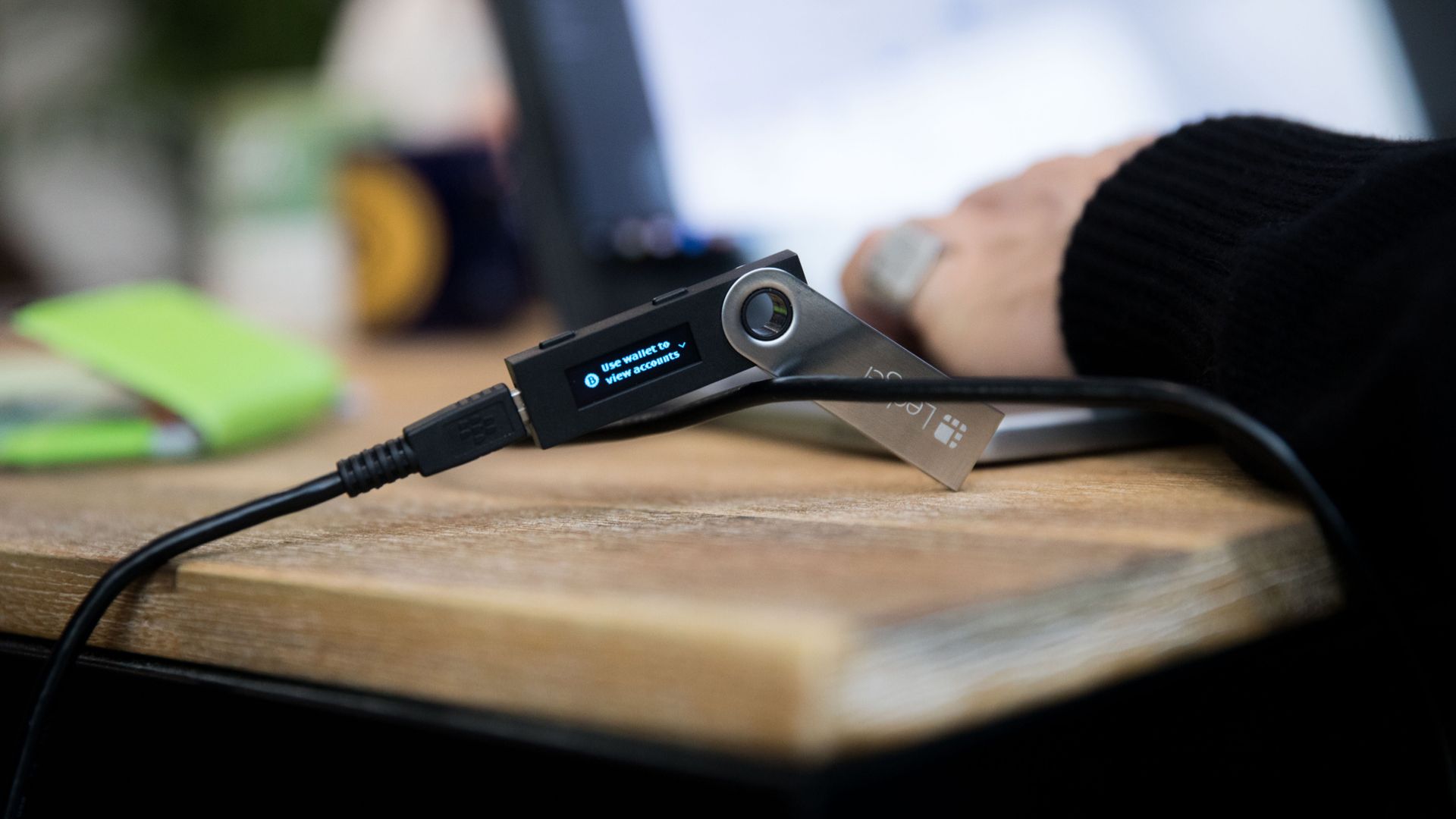
The fundamental premise of cold storage cryptocurrency hardware is absolute cryptographic isolation. Devices manufactured by market leaders such as Ledger are theoretically engineered to ensure that private recovery phrases never touch an online environment, mitigating network-borne attack vectors entirely. However, a massive unfolding hardware supply chain breach has shattered this assumption. Investigations reveal that malicious actors have successfully injected custom-engineered micro-implants into brand-new, store-bought Ledger hardware wallets distributed across Southeast Asia and Europe. To date, this sophisticated physical interception has resulted in over $93 million in siphoned digital assets.
The attack vector bypasses traditional software-based threats by targeting authorized retail channels, third-party distributors, and regional resellers. Notably, units purchased directly from Ledger's official distribution pipelines remain completely uncompromised. Yet, the proliferation of booby-trapped devices through major European electronic retailers like MediaMarkt—traced back via distributors like Aqipa GmbH—indicates a systemic failure in physical supply chain integrity. This incident forces a critical re-evaluation of hardware acquisition protocols, proving that retail trust is no longer a sufficient proxy for cryptographic verification.
Core Architectural & Technological Innovations
From a hardware engineering perspective, the method of compromise deployed in these illicitly modified units represents an alarming escalation in sophistication. Earlier iterations of tampered hardware wallets often relied on crude, hand-soldered wiring and primitive components. In contrast, forensic analysis by researchers including Mark Karpelès indicates that the latest generation of compromised devices utilizes custom-manufactured, precision-engineered flexible PCBs. These purpose-built subassemblies are skillfully inserted directly beneath the hardware wallet's display assembly, completely hidden from casual visual inspection.
The technological mechanism of the exploit relies on passive optical or electrical interception rather than direct memory tampering. As the user initializes the device and inputs their master recovery phrase, the flexible PCB overlay captures the pixel rendering or data stream of the seed words. This sensitive plaintext data is then routed to an integrated, highly covert eSIM and LTE module embedded within the wallet's casing. Powered by the device's internal power bus or a secondary source, the rogue cellular module quietly broadcasts the user's private keys across standard cellular networks, entirely bypassing the air-gapped security model of the host hardware.
Empirical Specifications & Benchmark Matrix
| Feature / Metric | Stock Ledger Hardware Baseline | Compromised Reseller Unit | Security Impact |
|---|---|---|---|
| Supply Chain Origin | Direct from Ledger Official Factory | Third-party resellers (Asia, Europe) | High risk of interception |
| PCB Integrity | Factory pristine, single-layer mainboard | Hidden flexible PCB overlay under display | Pixel/Key data interception |
| Connectivity | USB / Bluetooth (Strictly controlled) | Unauthorized eSIM + LTE cellular module | Out-of-band data exfiltration |
| Seed Generation | Air-gapped, Secure Element (SE) isolated | Intercepted at display/initialization phase | Complete plaintext exposure |
| Financial Loss Risk | Zero (barring user error) | Catastrophic ($93M+ stolen globally) | Total asset loss upon setup |
Thermal, Efficiency & Real-World Ergonomics
Integrating undocumented hardware components—specifically cellular transmission modules and auxiliary flexible printed circuits—into a constrained, fanless enclosure introduces critical thermal and electrical anomalies. Standard cryptocurrency hardware wallets are meticulously designed for passive thermal dissipation and low-current draw, prioritizing longevity and battery stability over active data processing. The unauthorized addition of an active eSIM and LTE transceiver demands persistent radio-frequency (RF) power spikes, which can subtly alter the electrical load profile of the device.
While end users are unlikely to notice severe thermal throttling due to the burst-nature of the data exfiltration, the physical alterations severely degrade the structural ergonomics and dimensional tolerances of the enclosure. The added thickness of the flexible PCB beneath the display assembly can create micro-gaps, uneven button press resistance, or minor chassis warping. In environments with rigorous quality assurance protocols, these subtle physical deviations serve as the primary diagnostic indicator for consumers attempting to manually audit their hardware's physical integrity against Ledger's official teardown documentation.
The Definitive Verdict
The massive wave of compromised Ledger hardware wallets serves as a sobering wake-up call for the entire hardware security sector. The definitive takeaway for consumers and enterprise asset managers alike is clear: retail availability through authorized-looking third-party storefronts no longer guarantees hardware authenticity. Users must strictly procure cold storage devices exclusively through official direct channels.
For anyone who has acquired a hardware wallet from third-party vendors such as Cryptobilis or European electronic chains within the past 90 days, the recommendation is absolute: do not perform initial device setup. Those who have already initialized suspect hardware must immediately sweep their funds to a newly generated, verified wallet. Ultimately, until global hardware distribution chains implement cryptographic supply chain tracking, physical inspection and direct manufacturer procurement remain the only viable defenses against state-grade supply chain subversion.