Executive Overview & Market Positioning
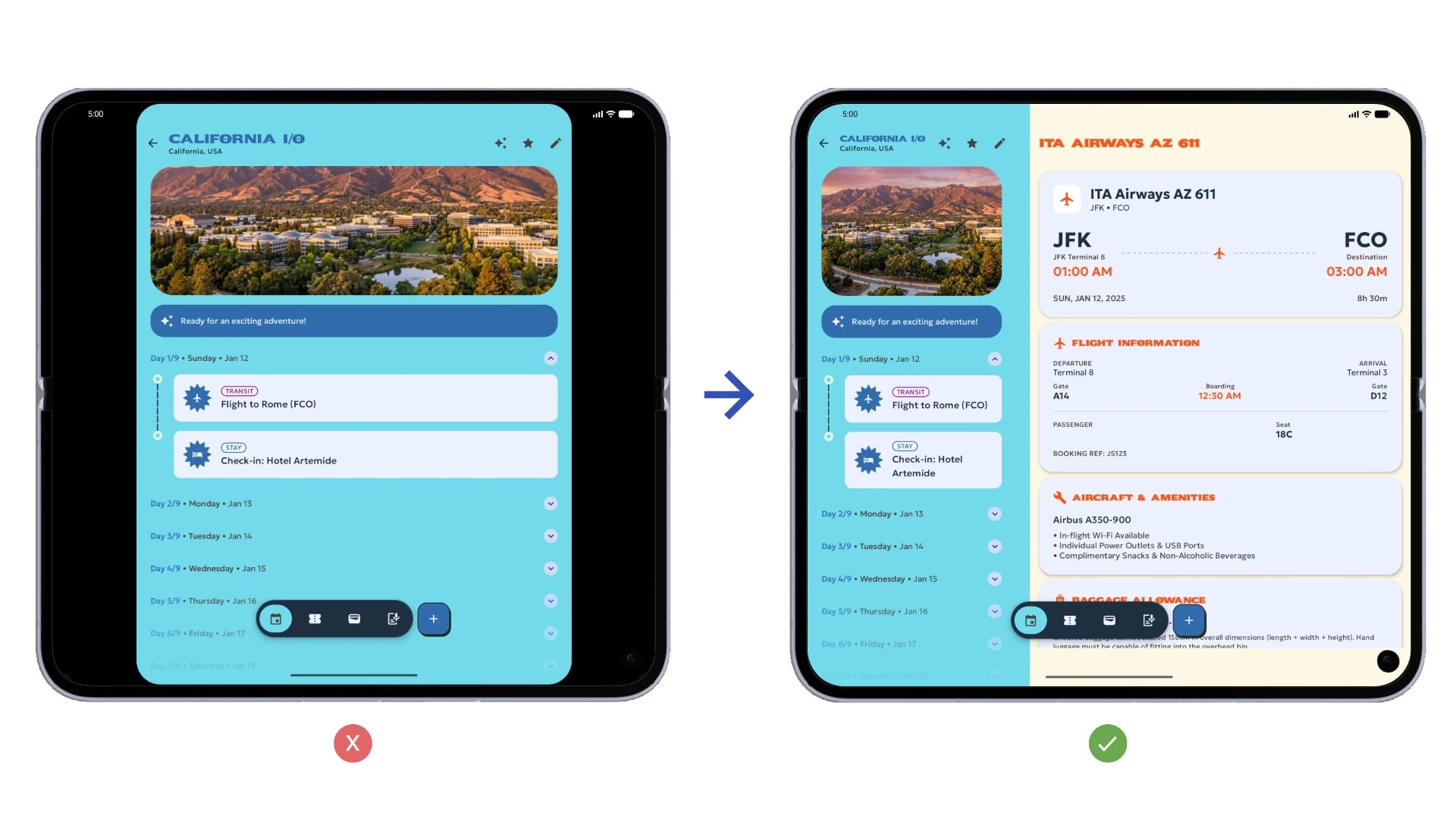
Google has officially moved from passive encouragement to aggressive enforcement regarding large-screen software optimization. Citing sluggish voluntary adoption since the rollout of Android 12L in 2022, the corporation is establishing rigid adaptive quality standards for all software entering the Google Play Store. Developers targeting the Android ecosystem can no longer rely on unoptimized UI scaling or basic letterboxing when deploying across non-standard form factors.
The upcoming compliance deadlines fundamentally alter how third-party applications and games interact with disparate hardware architectures. By establishing mandatory baselines, Google aims to eliminate the persistent fragmentation that has historically plagued foldable smartphones, multi-window tablet environments like Samsung DeX, and emerging large-screen form factors. Software failing to clear these hurdles will face outright publication blocks, underscoring a hardware-first strategy designed to match competitor ecosystem cohesion.
Empirical Benchmark Matrix
The framework is divided into three distinct performance and compatibility tiers, scaling from mandatory structural baselines to flagship-grade execution. Tier 3 acts as the non-negotiable entry barrier, requiring full-screen rendering, touch alignment precision, and robust state preservation across folding and unfolding actions. Meanwhile, Tier 1 and Tier 2 focus on advanced graphics pipelines, elevated frame rates, and hardware-aware UI layouts that leverage extended canvas areas.
| Quality Tier | Target Metric | Core Technical Requirements | Enforcement Deadline |
|---|---|---|---|
| Tier 3 (Ready) | Baseline Compliance | Unobstructed HUDs, state preservation during screen folding/unfolding, basic letterboxing | Apps: April 2027 <br> Games: August 2027 |
| Tier 2 (Optimized) | Enhanced Experience | Multi-pane layouts, proportional UI scaling, external controller support (games) | Optional / Recommended |
| Tier 1 (Differentiated) | Flagship Showcase | 60FPS/120FPS rendering, thermal stability, dynamic resolution scaling, split-screen support | Optional / Recommended |
Thermal, Efficiency & Definitive Verdict
From a systems engineering perspective, Google's mandate addresses a critical power-delivery and thermal bottleneck. Dynamic resolution scaling and sustained high-frame-rate rendering (60FPS to 120FPS) required in Tier 1 demand aggressive thermal management from silicon vendors and efficient workload distribution from developers. Unfolding a device often shifts thermal dissipation profiles, putting pressure on SoC throttling limits during extended gaming or multi-instance productivity sessions. By codifying these hardware-software integration parameters into the Play Store guidelines, Google is forcing developers to account for the unique thermodynamic and aspect-ratio realities of modern foldable displays. This decisive regulatory shift ensures that next-generation mobile hardware finally receives the native software ecosystem it requires to justify its premium market positioning.