Executive Overview & Market Positioning
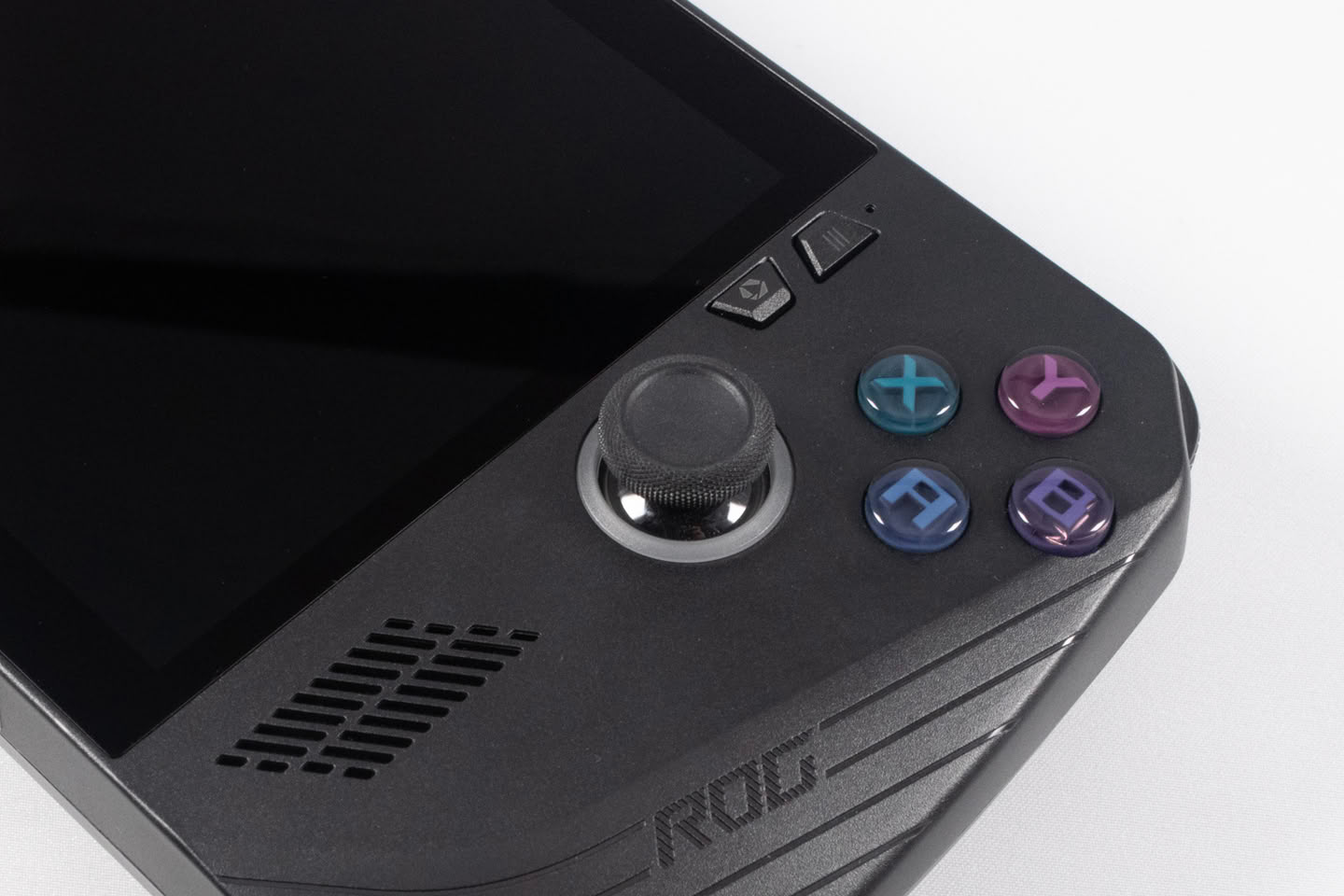
Debian Linux has officially established a dedicated Gaming Hardware Team, signaling a strategic shift for an enterprise-grade operating system historically prized for ultra-conservative stability over bleeding-edge adoption. Spearheaded by project maintainer Aryan Karamtoth, the initiative directly responds to the rapid popularization of Linux-driven handheld gaming ecosystems, most notably catalyzed by Valve’s Steam Deck and subsequent portable form factors. While community distributions like Bazzite and CachyOS—leveraging Fedora and Arch Linux foundations—currently dominate the handheld and mobile PC landscape, Debian's entry introduces a heavyweight competitor aiming to bridge the gap between rock-solid OS core architecture and rapidly evolving gaming silicon.
The core mandate of the newly formed Debian Gaming Hardware Team centers on systematic hardware validation, empirical issue documentation, and targeted patch deployment. Historically, Debian's deliberate release cadence and stringent dependency policies created compatibility friction with modern GPUs, custom SoC power states, and specialized handheld input controllers. By actively testing handhelds, emulation devices, and home console form factors, the team intends to address these integration bottlenecks head-on. The overarching objective is to establish Debian as a viable, high-performance daily driver for gaming hardware without compromising the rigorous stability guarantees that enterprise and desktop power users rely upon.
Empirical Benchmark Matrix
To contextualize Debian's operational shift against existing gaming-first distributions, the platform footprint and hardware enablement strategy reveal distinct architectural priorities. Where rolling-release distributions prioritize immediate kernel and driver integration at the potential expense of system longevity, Debian's specialized hardware team will curate targeted backports and patches specifically optimized for modern gaming peripherals and high-refresh-rate display controllers.
| Distribution Baseline | Upstream Base | Kernel Strategy | Primary Target Architecture | Hardware Validation Focus |
|---|---|---|---|---|
| Debian (New Team) | Debian Sid/Stable | Curated Backports | x86_64 Handhelds, Consoles | Stability-First Hardware Validation |
| Bazzite | Fedora Atomic | Bleeding-Edge Stable | Steam Deck, Handheld PCs | Immutable Gaming Containerization |
| CachyOS | Arch Linux | Optimized Rolling (Xanmod/Bore) | High-Performance Desktops, Handhelds | Maximum IPC & Low-Latency Scheduling |
Thermal, Efficiency & Definitive Verdict
From a hardware engineering perspective, Debian's pivot toward embedded and mobile gaming silicon introduces compelling implications for power management, thermal throttling behavior, and battery efficiency in handheld form factors. Handheld gaming PCs rely heavily on aggressive c-states, dynamic TDP scaling, and low-level kernel hooks for integrated GPU frequency governance—areas where conservative distributions have traditionally lagged. By integrating targeted fixes for power-delivery controllers and thermal sensors directly into their testing matrix, Debian can potentially offer a remarkably power-efficient, lightweight alternative for custom hardware builds. If the Debian Gaming Hardware Team successfully navigates the friction between rapid silicon iteration and rock-solid software stability, it could redefine lightweight Linux deployments, offering hardware enthusiasts an exceptionally resilient, low-overhead operating system for both portable gaming rigs and desktop battle stations.