
SIDE-BY-SIDE HARDWARE AUDITZero Pricing • Objective Specification Advantage Highlighting
Lenovo ThinkPad X1 Carbon Gen 12 (Aura Edition) vs Apple MacBook Pro 15 Retina (Mid-2012 Pioneer)
Compare processor microarchitectures, maximum GPU TGP, display color accuracy, RAM upgradability, and battery Watt-hours with automated win badge analysis.
Slot 1 • Lenovo2024
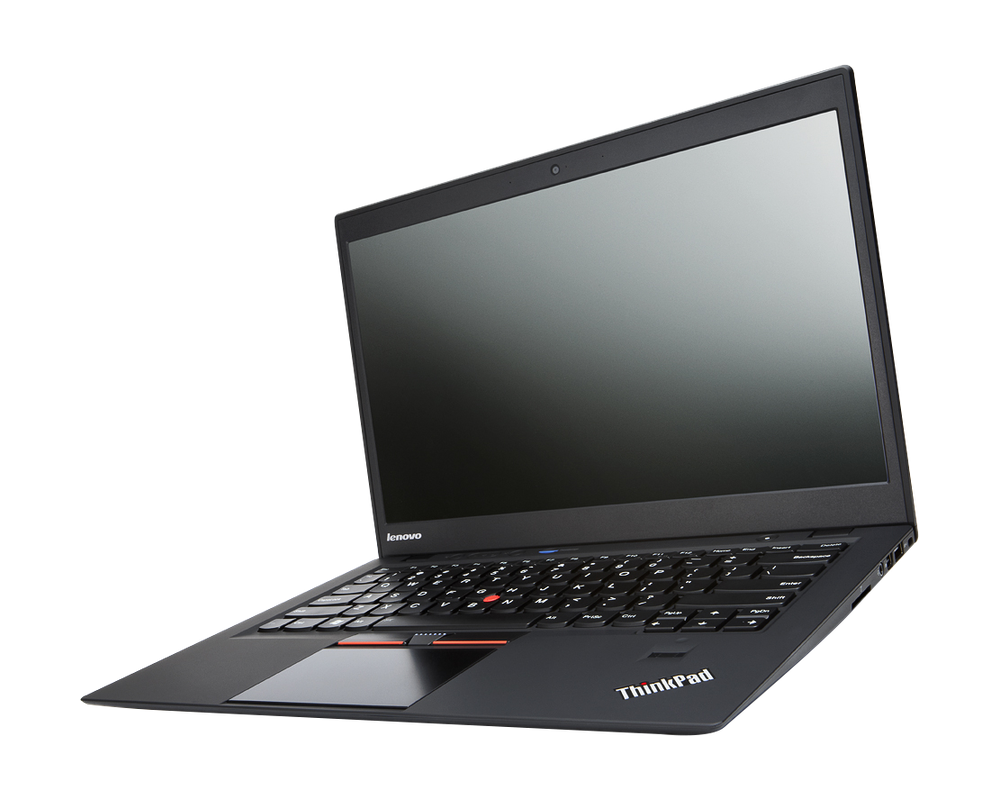
Lenovo ThinkPad X1 Carbon Gen 12 (Aura Edition)
14" OLED • 1.09 kg • x86_64
Slot 2 • Apple2012
Apple MacBook Pro 15 Retina (Mid-2012 Pioneer)
15.4" IPS LCD • 2.02 kg • x86_64
Reasons to Choose Lenovo ThinkPad X1 Carbon Gen 12 (Aura Edition)
- ✓Lighter Chassis (1.09 kg vs 2.02 kg)
- ✓Thinner Profile (14.96 mm vs 18 mm)
- ✓Faster Display Refresh Rate (120Hz vs 60Hz)
- ✓Higher Peak Brightness (500nits vs 300nits)
Reasons to Choose Apple MacBook Pro 15 Retina (Mid-2012 Pioneer)
- ✓Larger Battery Capacity (95Wh vs 57Wh)
- ✓Higher Charger Wattage (85W vs 65W)
- ✓Higher Max GPU TGP (45W vs 28W)
01.Platform & Compute Subsystem
Processor architecture, graphics envelope, and power ceilingProcessor / SoC
Intel Core Ultra 7 155H / 165H (Meteor Lake with Intel AI Boost NPU)
Intel Core i7-3615QM / i7-3720QM (Ivy Bridge 22nm 3D Tri-Gate)
CPU Core Architecture
16-core / 22-thread (6P + 8E + 2 Low-Power E-cores)
4-core / 8-thread (2.3 GHz base, up to 3.7 GHz Turbo Boost)
ISA Architecture
x86_64
x86_64
Graphics Hardware
Intel Arc Graphics (8 Xe-cores @ 2.25 GHz)
NVIDIA GeForce GT 650M (1GB GDDR5) + Intel HD Graphics 4000 (Dynamic switching)
Maximum Graphics TGP
28 W
45 W+17 W
Operating System
Windows 11 Pro
OS X 10.7 Lion / OS X 10.8 Mountain Lion
02.Memory & Storage Upgradability
RAM capacity, SODIMM vs soldered, and NVMe expansionRAM Capacity Options
16 GB / 32 GB / 64 GB LPDDR5X (Soldered)
8 GB / 16 GB (Soldered onboard)
RAM Technology / Speed
LPDDR5X-7500 MT/s dual-channel
DDR3L-1600 MHz SDRAM
RAM Upgradability
Soldered Onboard
Soldered Onboard
RAM Sockets / Form Factor
Soldered Onboard
Soldered Onboard
M.2 SSD Expansion Slots
1 Slot
1 Slot
Storage Bus & Architecture
1x M.2 2280 PCIe 4.0 x4 slot with thermal pad heat shield
Apple proprietary mSATA/PCIe blade connector
03.Display & Color Accuracy
Panel technology, screen resolution, refresh rate, and luminancePanel Technology
OLED
IPS LCD
Screen Diagonal Size
14 inches
15.4 inches
Aspect Ratio
16:10
16:10
Resolution
2880 × 1800 px (2.8K OLED, 120Hz, DisplayHDR True Black 500)
2880 × 1800 px (220 ppi Retina Display)
Display Refresh Rate
120 Hz+60 Hz
60 Hz
Color Gamut Coverage
100% DCI-P3, 0.2ms response time
100% sRGB
Peak Brightness
500 nits+200 nits
300 nits
04.Chassis, Thermals & Battery
Enclosure weight, profile thickness, battery capacity, and chargingChassis Weight
1.09 kg-0.93 kg lighter
2.02 kg
Chassis Thickness
14.96 mm-3.04 mm lighter
18 mm
Chassis Materials
Recycled carbon fiber top cover with recycled magnesium unibody bottom shell
Unibody aluminum enclosure with asymmetric dual fans
Cooling Solution
Dual miniature fans with rear-exhaust thermal dissipation
Dual asymmetric impellers with shared dual copper heatpipes
Battery Capacity
57 Wh
95 Wh+38 Wh
Bundled Charger Wattage
65 W
85 W+20 W
USB-C Power Delivery
Yes
No
05.I/O Ports & Connectivity
High-speed buses, external display outs, and media card readersPort Complement
2x Thunderbolt 4 (USB4 40 Gbps), 2x USB-A 3.2 Gen 1 (one Always On), HDMI 2.1 (supports 4K60), 3.5mm audio jack, Nano-SIM (optional)
2x Thunderbolt 1 (10 Gbps), 2x USB 3.0, HDMI port, SDXC card slot, MagSafe 2 power port, 3.5mm headphone jack
Thunderbolt Ports
2x Thunderbolt
2x Thunderbolt
HDMI Revision
HDMI 2.1 (up to 4K60)
HDMI 1.4b (up to 1080p60 / 4K30)
Card Reader
None Reader
Full-size SDXC Reader
3.5mm Headphone Jack
✅ Present
✅ Present
Wireless Networking
Intel Wi-Fi 7 BE200, Bluetooth 5.4, Optional 5G Sub-6
AirPort Extreme 802.11a/b/g/n, Bluetooth 4.0