Executive Summary & Market Positioning
For decades, enthusiast overclocking and deep firmware manipulation on discrete graphics cards have shared a binary risk profile: push the hardware past its factory constraints, or live within the vendor-sanctioned guardrails. Traditionally, modifying a graphics card's Video BIOS (vBIOS) required low-level binary flashing using utilities like NVFlash. This process directly overwrites the physical SPI flash chip soldered onto the PCB. While effective, a single corrupted byte, an unexpected power fluctuation during execution, or an improper checksum calculation invariably resulted in a bricked card, necessitating hardware-level recovery vectors.
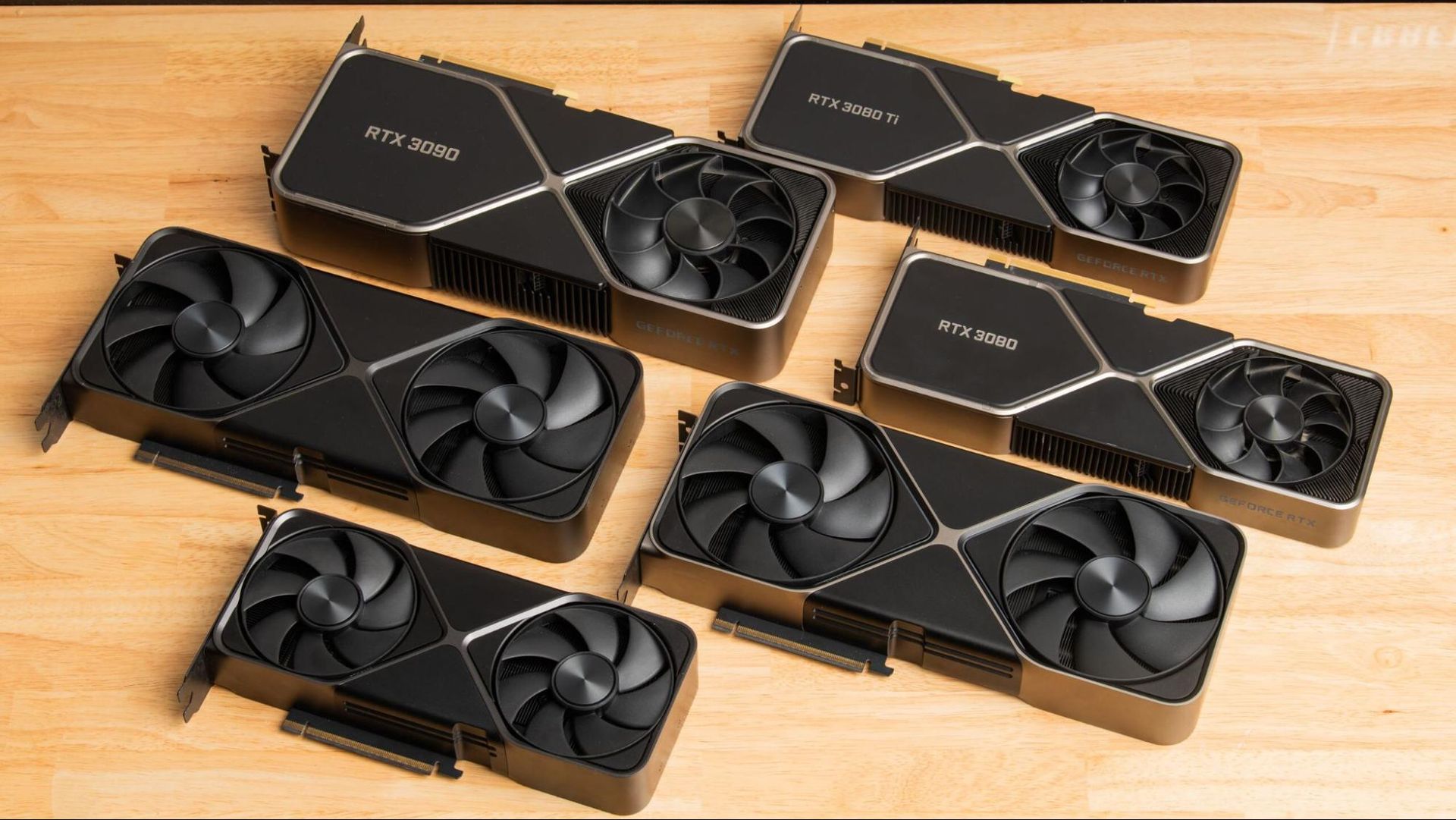
Enter the open-source community: developer Panchovix has engineered a paradigm shift for Nvidia’s modern GeForce architectures. The newly released nvidia-windows-vbios-vix-loader bypasses physical flash writes entirely. Spanning architectural generations from Ampere (RTX 30-series) through Ada Lovelace (RTX 40-series) and into the emerging Blackwell ecosystem (RTX 50-series), this tool provides a structured graphical interface for configuring parameters that normally sit behind locked firmware doors. By shifting from persistent EEPROM reprogramming to volatile, driver-level instruction interception, the tool recalibrates how end-users interact with vendor-imposed hardware limitations.
Core Architectural & Technological Innovations
The fundamental elegance of Panchovix’s loader lies in its exploitation of native initialization routines built into Nvidia’s Windows and Linux display drivers. Rather than replacing the contents of the physical flash chip, the utility constructs a modified vBIOS image and stores it directly within the operating system's register key framework. When the Nvidia display driver initializes during system boot, it actively polls for a designated vBIOS override flag. Upon detecting the registry-bound image, the driver gracefully initializes the GPU using the injected parameters instead of reading raw binary data exclusively from the onboard SPI chip.
This execution path achieves complete firmware substitution without inducing wear cycles on the onboard flash memory or introducing the critical failure modes associated with interrupted flash operations. If an unstable frequency curve or excessive voltage target causes a hard system crash, recovery is exceptionally straightforward. Because the physical chip remains untouched, a simple safe-mode boot or the clearing of the targeted registry key restores the stock factory environment instantly. However, this driver-layer interception does not circumvent the laws of electrical engineering: pushing excessive power limits or bypassing VRM thermal limits via the loader can still degrade or destroy silicon components.
Empirical Specifications & Benchmark Matrix
To contextualize the capabilities of the Panchovix vBIOS loader against traditional overclocking workflows, the following matrix evaluates operational parameters across modern Nvidia consumer architectures.
| Feature / Metric | Traditional vBIOS Flashing | Software Overclocking (MSI Afterburner) | Panchovix vBIOS Loader (Vix-Loader) |
|---|---|---|---|
| Flash Memory Wear | High (Permanent EEPROM Write) | None (Volatile State) | None (Registry-Based Image) |
| Bricking Risk | Moderate to High | Negligible | Low (Recoverable via Registry) |
| Power Limit Ceiling | Unlocked (Custom Shunt/Firmware) | Capped by Stock vBIOS Max | Unlocked via Custom vBIOS Image |
| Voltage Table Control | Full Native Editing | Restricted by Vendor Limits | Fully Customizable Parameters |
| OS Support | DOS / Windows / Linux (CLI) | Windows-Centric | Cross-Platform (Windows & Linux) |
| Persistence | Permanent until re-flashed | Requires background app running | Applied natively on driver startup |
Thermal, Efficiency & Real-World Ergonomics
Deploying advanced vBIOS configurations outside of typical software utilities opens up granular control over voltage-frequency (V/F) curves, fan hysteresis profiles, and thermal target ceilings. Traditional tools like MSI Afterburner or ASUS GPU Tweak excel at routine daily tuning, yet they frequently encounter hard algorithmic walls imposed by the base firmware—such as restricted maximum power sliders on non-flagship PCB designs. With the Vix-Loader, enthusiasts can bypass these artificial ceilings to optimize performance-per-watt curves, effectively matching the behavior of higher-tier board variants.
Ergonomically, the software removes the harrowing pre-flash checklist that historically deterred mainstream enthusiasts from exploring advanced firmware tuning. Users no longer need to hunt down obscure community-made command-line flash tools, verify subsystem vendor IDs (SubVEND/SubDEV), or construct makeshift hardware recovery rigs using a Raspberry Pi Pico and an SOP8 clip. The workflow is streamlined into an accessible UI. Nevertheless, thermal overhead scales linearly with power delivery modifications; deploying custom profiles demands rigorous empirical validation of VRM temperatures, hotspot deltas, and case airflow to ensure long-term hardware longevity.
The Definitive Verdict
Panchovix’s vBIOS loader is a landmark achievement in open-source hardware utility design. By shifting the paradigm from destructive EEPROM flashing to elegant driver-level image injection, it democratizes advanced GPU tuning while eliminating the catastrophic failure modes that previously guarded the gates of deep hardware modification. While it remains a tool intended strictly for advanced users who understand the electrical realities of modern silicon, its safety net makes it the definitive method for extracting maximum capability from RTX 30, 40, and 50-series hardware without reaching for an SPI programmer.