Executive Overview & Market Positioning
The enduring rivalry within Samsung’s premier smartphone ecosystem centers on a fundamental engineering compromise: uncompromising optical performance versus cutting-edge form factor innovation. Historically, the Galaxy S Ultra series has anchored power-users to its traditional slab architecture, primarily driven by superior periscope telephoto capabilities and absolute imaging dominance. For mobile professionals requiring high-magnification optical zoom, the decision matrix has rarely wavered. However, the introduction of the Galaxy Z Fold 8 introduces a disruptive architectural shift that challenges this long-standing hierarchy.
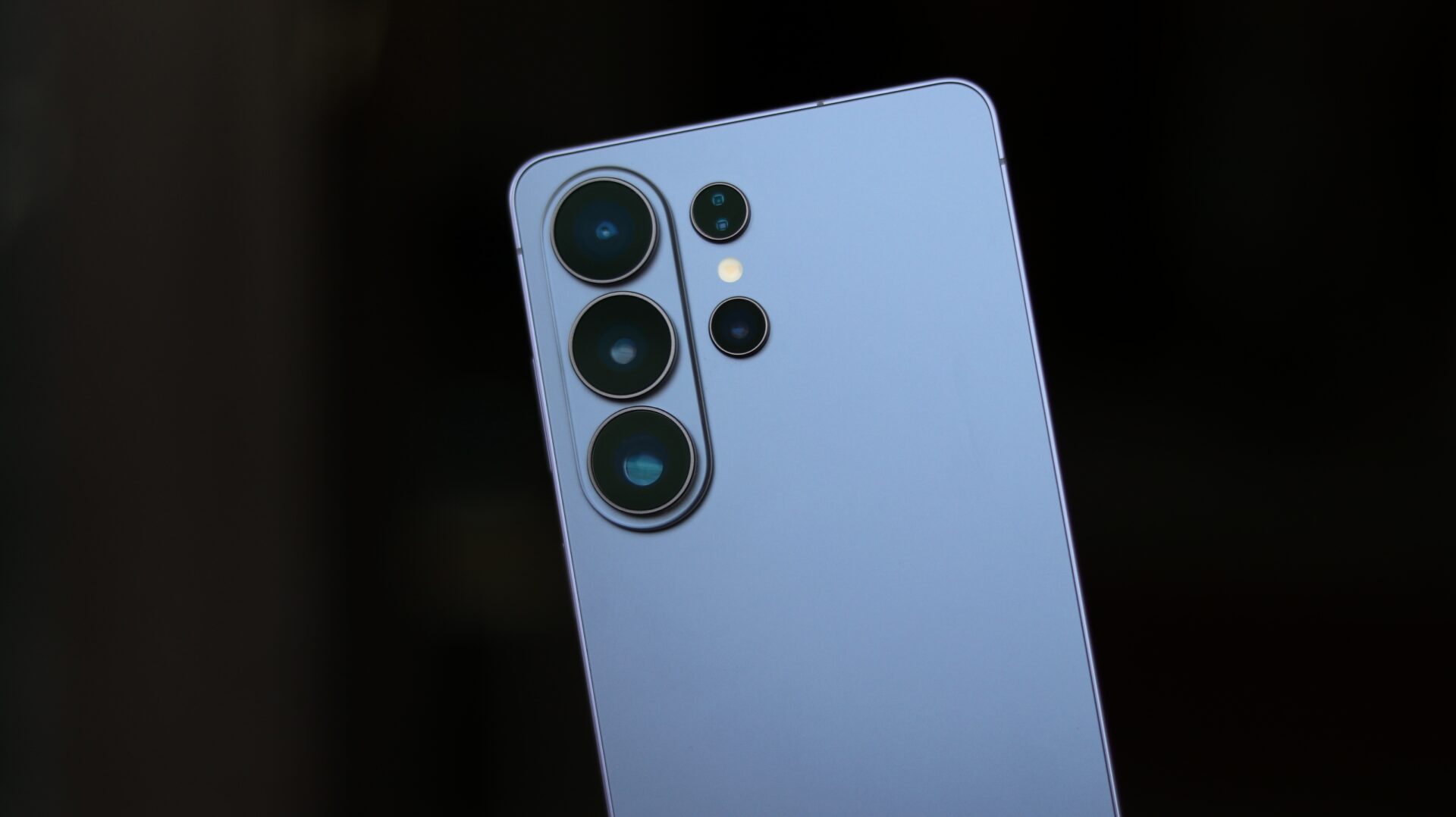
While the Galaxy S26 Ultra maintains its throne as the definitive imaging flagship, the Galaxy Z Fold 8 forces a critical re-evaluation of structural ergonomics. Achieving a markedly reduced physical footprint and featherlight chassis weight, the Fold 8 successfully re-architects the foldable user experience, making daily utilization of its sprawling interior canvas remarkably less fatiguing. Despite these physical strides, hardware analysts must weigh these ergonomic gains against inherent layout constraints, notably the wide-short aspect ratio that frequently necessitates manual device rotation to correctly render standard portrait-oriented applications and media.
Empirical Benchmark Matrix
When evaluating structural and optical specifications, the two devices occupy diametrically opposed design philosophies optimized for distinct usage profiles. The S26 Ultra prioritizes monolithic sensor real estate and dense internal thermal dissipation, whereas the Z Fold 8 leverages advanced hinge engineering and ultra-thin glass substrates to minimize mass.
| Hardware Metric | Samsung Galaxy S26 Ultra | Samsung Galaxy Z Fold 8 |
|---|---|---|
| Primary Form Factor | Monolithic Slab (Rigid) | Dual-Display Foldable |
| Cover Display Geometry | Standard Tall Aspect Ratio | Shorter, Wider Ergonomic Ratio |
| Primary Camera Array | High-Megapixel Multi-Sensor w/ Advanced Periscope Zoom | Standardized Foldable Optical Array |
| Chassis Weight Index | Standard Ultra Mass Profile | Optimized Lightweight Engineering |
| Software Orientation Handling | Native Native-Portrait Optimization | Requires Manual Rotation for Select Apps |
Thermal, Efficiency & Definitive Verdict
From a systems integration and daily operational standpoint, the choice between these two flagships distills down to a strict prioritization of hardware utility. The Galaxy S26 Ultra wins out for single-device daily drivers who refuse to compromise on telephoto reach and immediate, frictionless software orientation. Conversely, the Galaxy Z Fold 8 proves that foldable engineering has reached a maturation threshold where physical mass is no longer an insurmountable penalty. For the single-device user, however, the optical penalties of the foldable framework still tip the scales toward the Ultra. Until foldable optics achieve parity with periscope modules, the S26 Ultra remains the pragmatic victor.