Executive Overview & Market Positioning
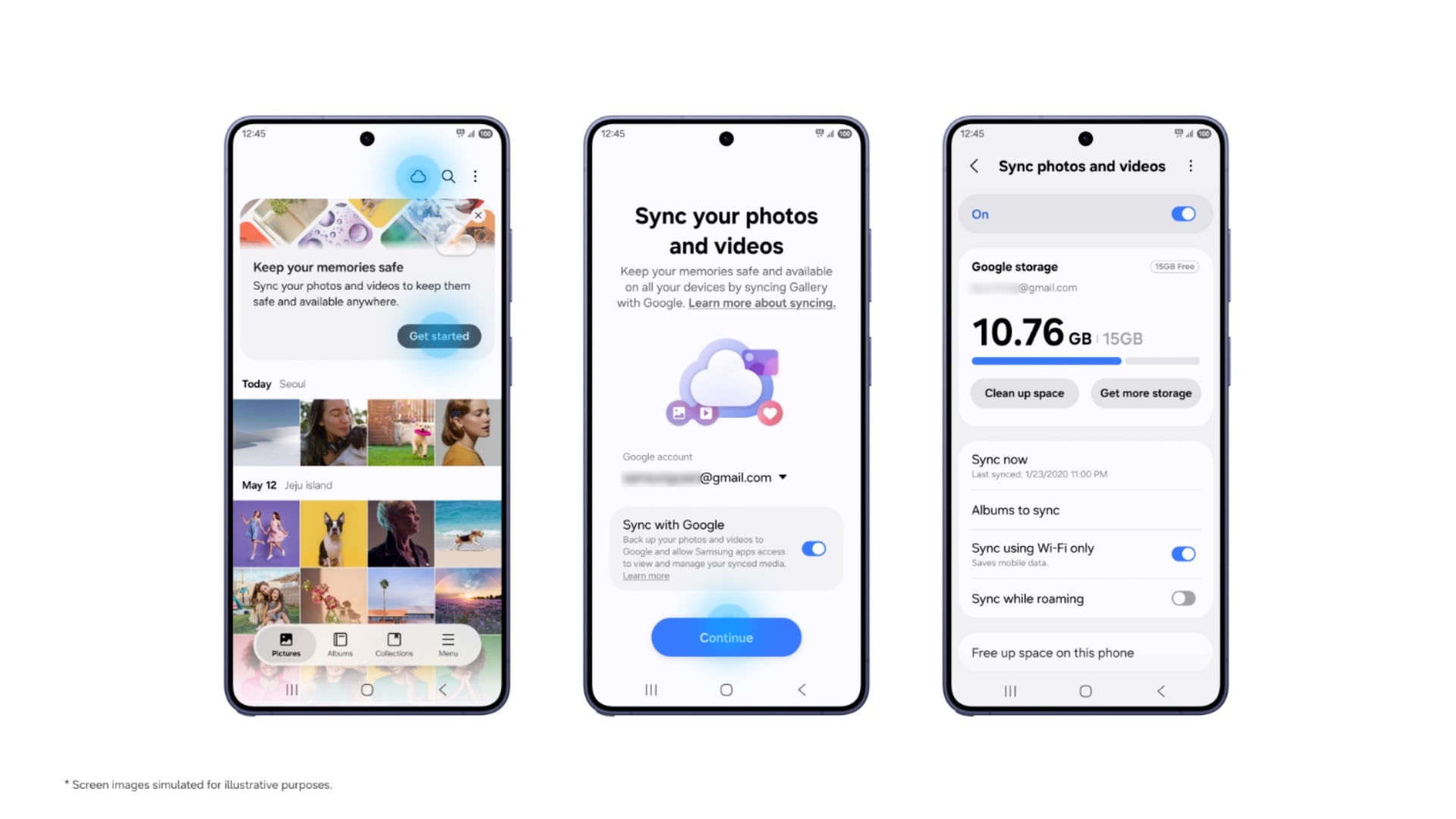
Samsung Electronics has officially formalized a major structural pivot within its One UI software ecosystem, completing the transition of its native Gallery application cloud backup architecture from Microsoft OneDrive to Google Photos. Following the phased deprecation of OneDrive integration across select Galaxy mobile devices, the newly minted Google Photos synchronization pipeline represents a significant realignment in OEM cloud dependencies. By embedding native synchronization hooks directly into the One UI 9.0 framework, Samsung streamlines media management across its hardware portfolio, removing the requirement for fragmented auxiliary cloud login protocols while unifying the user experience on Google’s underlying storage infrastructure.
At the silicon and software interface, this transition redefines how local UFS non-volatile flash storage interacts with cloud-tiering mechanisms on Galaxy smartphones and tablets. The integrated application utilizes a localized caching methodology coupled with a dedicated “Free up space” command architecture. Once media is verified and uploaded to the remote Google cloud tier, original high-resolution assets are purged from the local flash partition to reclaim critical internal storage. The native Samsung Gallery app retains low-overhead proxy thumbnails, dynamically issuing fetch commands to download full-resolution assets on-demand via network interfaces whenever a user accesses a specific image or video element. This virtualization of local storage mitigates capacity bottlenecks on base-tier hardware configurations.
Empirical Benchmark Matrix
From a systems integration standpoint, shifting from the legacy Microsoft synchronization framework to the native Google Photos backend alters API overhead, background wake locks, and power consumption profiles during idle and sync states. Below is the technical comparison matrix detailing the architectural parameters of the legacy OneDrive implementation versus the current Google Photos integration deployed in One UI 9.0.
| Architectural Parameter | Legacy OneDrive Integration | Current Google Photos Integration (One UI 9.0) |
|---|---|---|
| Primary Cloud Backend | Microsoft OneDrive API | Google Photos API |
| Storage Quota Pool | OneDrive / Microsoft 365 Allocation | Unified Google Account Pool (Drive, Gmail, Photos) |
| Local Cache Management | Manual sync triggers & folder mapping | Automated proxy thumbnail generation & on-demand fetch |
| Cross-Device Mirroring | Limited cross-platform Windows/Android sync | Native multi-device Galaxy phone-to-tablet preview sync |
| Data Ingestion Scope | Retroactive and new directory matching | Strictly post-activation synchronized assets |
Thermal, Efficiency & Definitive Verdict
From a hardware resource and power efficiency perspective, the Google Photos backend exhibits superior background thread management on One UI 9.0 platforms, reducing unnecessary CPU wake cycles during continuous ingestion tasks. However, users must account for siloed historical data, as only assets captured or ingested post-activation populate the native Gallery timeline. For power users and enterprise deployments managing high-density media arrays, the shift demands careful monitoring of the unified Google account storage tier. Ultimately, this architectural pivot successfully optimizes local flash storage endurance and unifies multi-device workflows across the Galaxy hardware ecosystem without imposing severe thermal or computational penalties on the host SoC.