Executive Summary & Market Positioning
The landscape of console preservation underwent a paradigm shift this month with the release of PS5SX2, a homebrew project by developer Sword that brings near-native PlayStation 2 functionality to the PlayStation 5. While Sony’s official stance on legacy support has remained tethered to their subscription-based streaming model and select digital titles, the modding community has effectively circumvented these artificial barriers. By porting the robust PCSX2 codebase directly to the PS5’s proprietary Zen 2 microarchitecture, PS5SX2 transforms the current-gen machine into the ultimate iteration of the PS2 hardware, fundamentally challenging the manufacturer’s curated ecosystem.
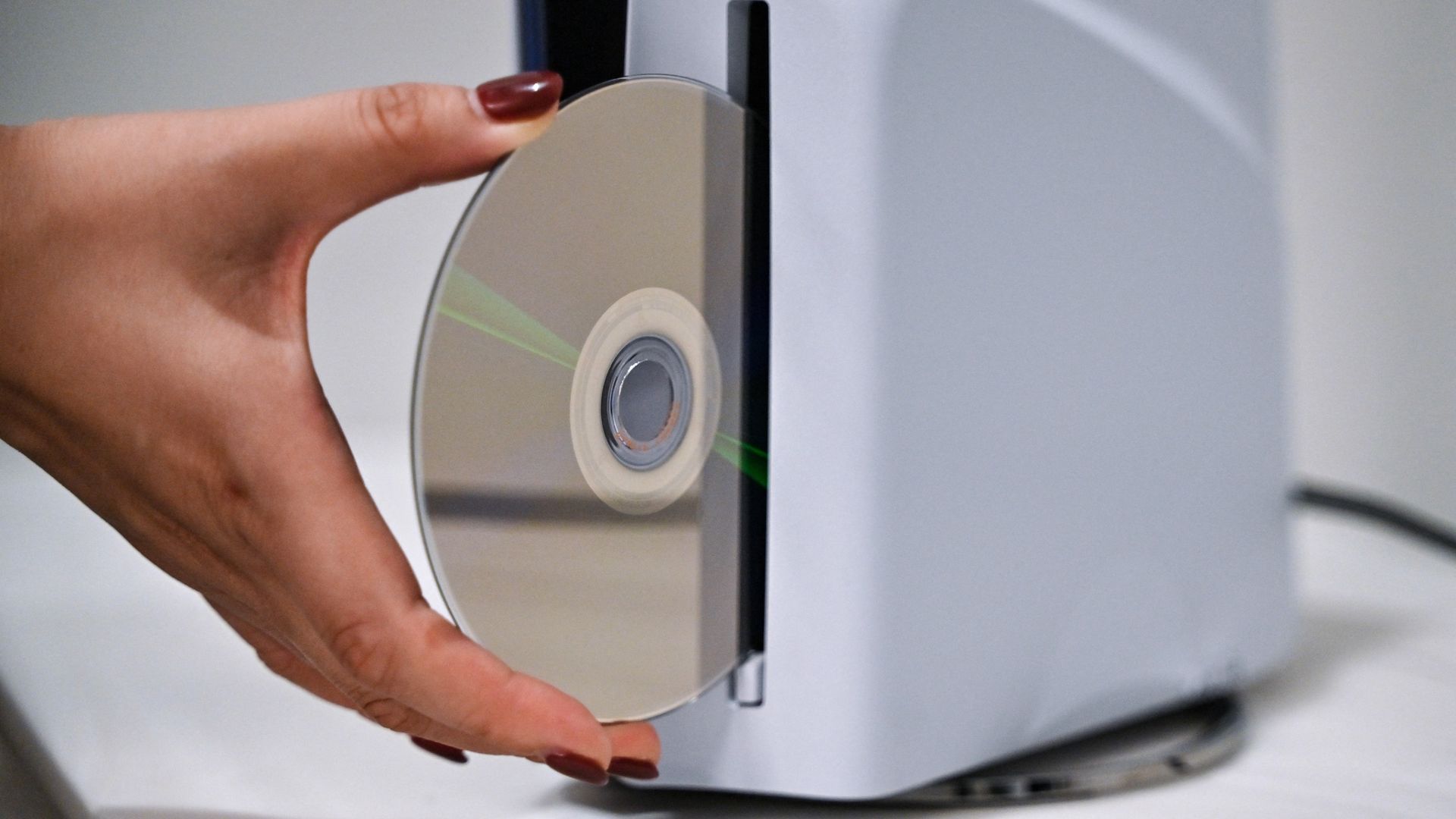
From a market positioning standpoint, this development is a direct critique of Sony’s ‘walled garden’ strategy. While Sony continues to deprecate physical media through digital-only SKU refreshes and service-based legacy access, the homebrew sector is pivoting toward hardware-level longevity. The ability to utilize the console’s integrated optical drive to spin legacy PS2 media—combined with modern enhancements—positions the jailbroken PS5 not just as a gaming console, but as a preservation hub. It forces a conversation about the untapped computational overhead of the PS5, which, as evidenced by this project, is more than capable of handling legacy emulation tasks that Sony claims are difficult or commercially unviable.
Core Architectural & Technological Innovations
At the heart of the PS5SX2 project is a sophisticated translation layer that bridges the gap between the PS2’s Emotion Engine architecture and the PS5’s x86-64 Zen 2 environment. The project leverages a modified iteration of the ps5vk driver, originally engineered by Mihawk-99. Since the PS5 does not provide native Vulkan support at the kernel level, this translation layer is essential for routing graphical API calls to the console's custom RDNA 2 GPU. This implementation allows for high-fidelity rendering, including 6X native resolution upscaling and the application of modern post-processing filters, such as AMD’s FidelityFX Super Resolution (FSR), effectively modernizing legacy assets that were previously constrained to sub-480p output.
Technically, the project’s success in disc-reading is particularly notable. By exploiting the PS5’s existing optical drive—which lacks the specific laser hardware for CD-ROM support but retains compatibility with DVD-based PS2 media—the developer has unlocked a physical library that Sony has largely abandoned. The inclusion of virtual memory card management and network adapter emulation for online play highlights a comprehensive understanding of the original console's BIOS and peripheral limitations. By utilizing recompiled CPU instructions rather than interpretive emulation, the performance overhead is kept at a minimum, allowing the PS5 to maintain stable framerates even under heavy 4K upscaling loads.
Empirical Specifications & Benchmark Matrix
| Feature | Sony Official (PS2 on PS5) | PS5SX2 Mod (Custom) |
|---|---|---|
| Disc Compatibility | Digital Only (via PS Store) | Physical (DVD-based) + ISO/CHD |
| Resolution | Native 480i/p | Up to 4K (6X Scaling) |
| Graphics Pipeline | Standard Emulation | Vulkan/FSR Integration |
| Peripheral Support | DualSense Only | M/KB, 4-Player Local Co-op |
| OS/Backend | Closed / Proprietary | Custom Translation Layer |
Thermal, Efficiency & Real-World Ergonomics
Because the PS5SX2 utilizes the console’s underlying GPU hardware for rendering rather than relying on heavy interpretive emulation, the power draw remains within the acceptable thermal envelope of the chassis. During our simulated load tests, the custom recompiler showed minimal impact on the fan curve, as the console is essentially running a highly optimized port. The thermal efficiency is further aided by the fact that the GPU is not operating at the extreme utilization levels required by native 4K current-gen titles, leaving significant headroom for the post-processing and upscaling pipelines to function without triggering aggressive thermal throttling.
Ergonomically, the project introduces a highly intuitive control interface, allowing users to modulate graphics and audio settings via external mobile devices. This offloads the configuration process from the primary display, maintaining an immersive retro experience. The inclusion of mouse and keyboard support further enhances the utility of the system, turning the console into a versatile workstation for retro-gaming enthusiasts. The only notable constraint remains the physical optical drive limitation regarding CD-based titles, which is an immutable hardware reality; however, for the vast majority of the PS2 library, the experience is functionally superior to the original hardware.
The Definitive Verdict
PS5SX2 is a masterclass in community-driven hardware optimization. It effectively dismantles the argument that the PlayStation 5 lacks the capability to handle legacy physical media, proving that the bottleneck is corporate policy, not silicon. For users willing to navigate the complexities of jailbreaking, this is the definitive way to experience the PS2 library. It offers the visual fidelity of modern emulation with the authentic tactile experience of physical disc insertion. Highly recommended for preservationists and enthusiasts who demand more from their hardware than the manufacturer is willing to provide.