Executive Overview & Market Positioning
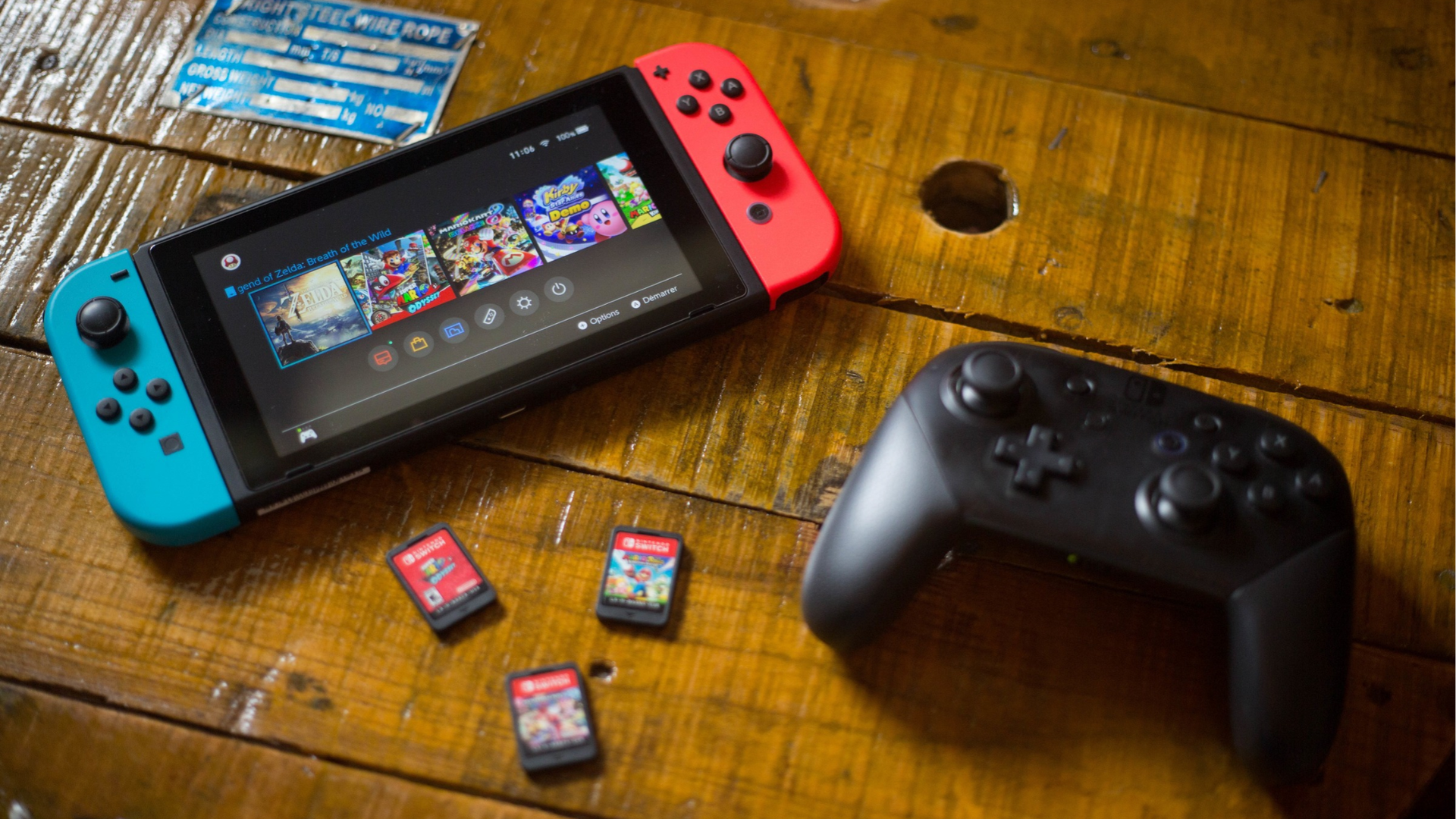
The global semiconductor supply chain is undergoing a structural realignment as hyper-scale AI data center demand crowds out legacy silicon manufacturing. Recent reports indicate that Macronix, a cornerstone supplier of mask ROM (Read-Only Memory) chips for Nintendo's Switch and upcoming Switch 2 game cartridges, is systematically winding down its ROM operations. Transitioning capital away from consumer-grade media, Macronix has earmarked an aggregate NT$37.8 billion capital expenditure exclusively for high-margin NOR and 3D NAND flash memory architectures geared toward enterprise infrastructure and server applications. Consequently, Macronix's fiscal footprint in the ROM sector has contracted sharply, with Q3 revenue contributions plummeting to 5% compared to 26% in the previous year.
This strategic pivot creates acute supply chain vulnerabilities for fabless semiconductor designers like MegaChips. Because Nintendo outsources cartridge silicon design to MegaChips—which historically relied on Macronix for approximately 67.8% of its manufacturing capacity—the phase-out threatens core operational continuity. MegaChips remains heavily exposed, given that Nintendo accounts for nearly 88% of its total revenue. While secondary ROM suppliers such as ROHM Semiconductor and LAPIS Semiconductor remain operational, the loss of Macronix’s high-volume fabrication lines reduces overall manufacturing redundancy and introduces acute pricing pressures across physical media production.
Empirical Benchmark Matrix
To contextualize this manufacturing shift, we evaluate the comparative metrics of enterprise flash memory integration against legacy consumer ROM fabrication parameters.
| Hardware / Supply Parameter | Legacy Macronix ROM Baseline | Current Pivot (AI & Enterprise Flash) | Impact on Nintendo Ecosystem |
|---|---|---|---|
| Primary Application | Nintendo Switch/Switch 2 Cartridges | Server 3D NAND & Enterprise NOR | Zero new ROM product tape-outs |
| CapEx Allocation (NT$) | Distributed across Consumer Media | NT$22B expansion + NT$15.8B NAND | 0% capital routed to legacy ROM lines |
| Fab Partner Dependency | MegaChips to Macronix Direct | Enterprise Tier-1 Foundries | High disruption for fabless designers |
| Media Cost Projection | Stable Baseline Pricing | Projected Upward Pressure | Potential shift to Game-Key / Digital |
Thermal, Efficiency & Definitive Verdict
From a hardware intelligence perspective, Macronix’s departure highlights the diminishing economic viability of legacy consumer ROM production in an era dominated by high-density NAND and high-bandwidth memory for artificial intelligence. Although physical cartridges will not vanish overnight due to remaining secondary foundries like ROHM and LAPIS, unit margins are undeniably compromised. Nintendo faces a clear strategic fork: absorb rising physical manufacturing costs, inflate retail cartridge pricing, or aggressively accelerate the transition toward digital-first distribution and Game-Key card ecosystems. Ultimately, this supply contraction marks another milestone in the systematic displacement of physical media by enterprise-grade AI infrastructure demand.