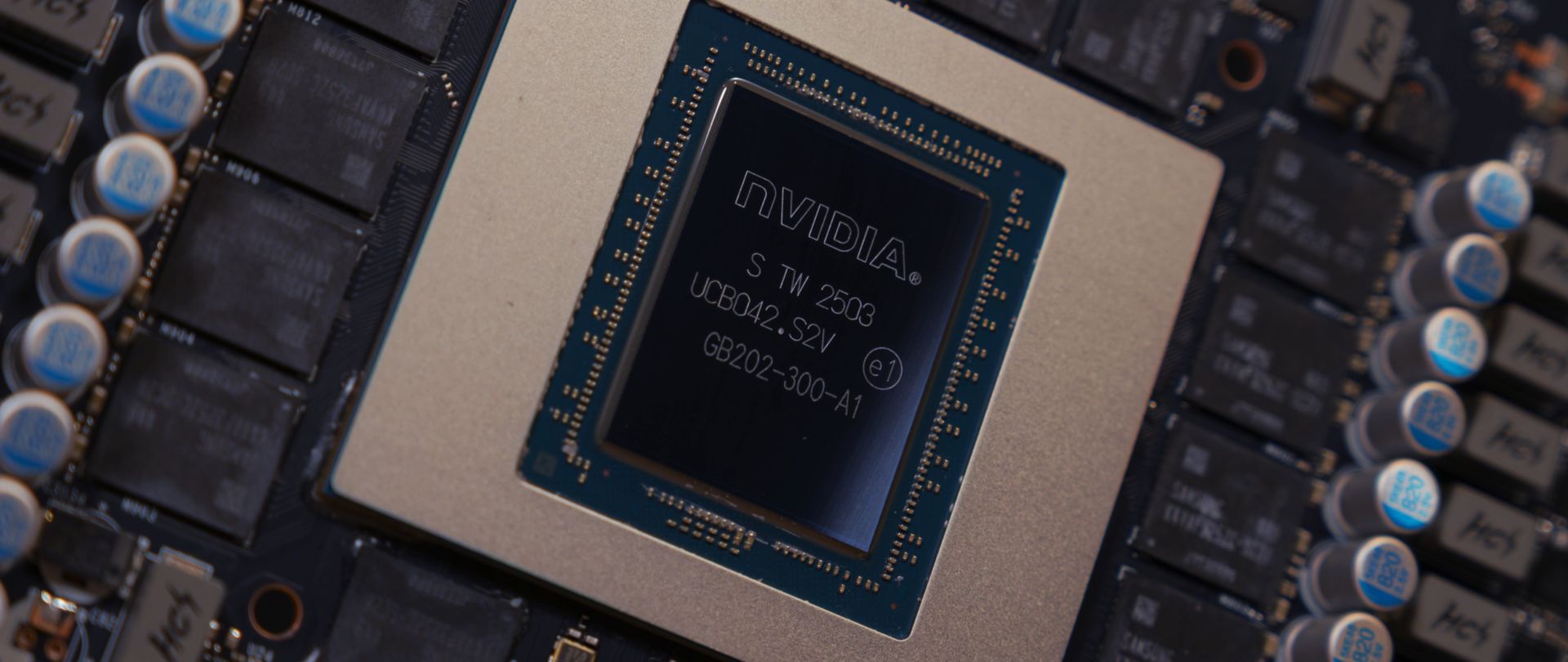
Executive Summary & Market Positioning
Nvidia’s aggressive software-locking strategy for its latest AI-driven visual technologies—specifically DLSS 5 Neural Rendering and Multi Frame Generation (MFG)—has sparked a volatile reaction from the hardware modding community. By restricting these features to the Blackwell-based RTX 50-series, Nvidia effectively pushed an artificial obsolescence narrative, claiming hardware-level incompatibility. However, recent breakthroughs led by independent developers like Dashdogy and Uncle Burrito have dismantled these claims, proving that modern GPU architectures from the Ada Lovelace generation, and even earlier, possess the necessary computational overhead to execute these advanced inference tasks.
This shift represents a significant pivot in GPU market dynamics. The modding community has transformed from passive consumers into active arbiters of feature parity. By reverse-engineering proprietary DLLs and intercepting Streamline and NGX API calls, these modders have democratized access to tech once held hostage behind a generational paywall. This development forces a critical re-evaluation of the industry’s “exclusivity-by-design” ethos, signaling that software artificiality is no longer a sustainable barrier against a determined and technically proficient grassroots movement.
Core Architectural & Technological Innovations
The fundamental breakthrough lies in the realization that Blackwell-exclusive features are often software-limited rather than hardware-bound. Using sophisticated reverse-engineering techniques—including kernel dump analysis and advanced LLM-assisted vulnerability assessment—modders discovered that Ada Lovelace hardware could communicate with the Neural Graphics Framework (NGX) if the API calls were properly spoofed. Dashdogy’s successful intervention involved intercepting the memory calls that define frame generation limits, effectively tricking the GPU into bypassing its internal gating mechanisms to allow higher-multiplier frame generation.
Similarly, Uncle Burrito’s work on the DLSS 5 Neural Rendering DLL highlighted that the code for Ada support was present but incomplete within initial releases, suggesting Nvidia left the door open for later deployment or internal testing. By patching the incompatible CUDA instructions and remapping the execution path, these developers have unlocked true Neural Rendering on hardware that Nvidia previously deemed unfit. This modular approach to GPU feature sets underscores the potential of community-driven software optimization to outperform official,, profit-driven roadmap constraints.
Empirical Specifications & Benchmark Matrix
| Feature | Official Support (Nvidia) | Modded Support (Community) | Performance Impact (Ada) | Compatibility |
|---|---|---|---|---|
| DLSS 5 NR | RTX 50-Series | RTX 20/30/40/AMD | Minimal Latency | High |
| MFG (6X) | RTX 50-Series | RTX 40-Series | Moderate Pacing Variance | Variable |
| API Layer | Streamline/NGX Locked | Streamline/NGX Patched | None | Universal |
| Installation | N/A | Click-and-Run Mod | N/A | High |
Thermal, Efficiency & Real-World Ergonomics
Running these features on legacy hardware is not without consequences. While the computational overhead for DLSS 5 is largely handled by dedicated Tensor cores, the “Hardware Flip Metering” logic found in newer architectures is absent on previous generations. This absence, particularly when utilizing 6X frame generation, results in measurable frame-pacing irregularities. Without the native hardware schedulers present in the Blackwell architecture, users may experience variable frame-time intervals, which can manifest as micro-stuttering during intense, fast-paced rendering scenarios.
From an efficiency standpoint, the modded implementations show a remarkably low impact on thermal headroom, as the AI-driven workloads remain well within the TDP limits of the RTX 40-series flagship cards. However, users should be mindful that these mods circumvent official stability protocols. While the visual fidelity gains are indisputable, the lack of official driver-level optimization means that specific titles may behave inconsistently. The ergonomics of the experience—specifically the latency overhead—remain the primary trade-off for users opting to bypass official hardware gating.
The Definitive Verdict
The work performed by Dashdogy and Uncle Burrito is a masterclass in hardware democratization. By successfully porting DLSS 5 and MFG to legacy hardware, they have rendered Nvidia’s exclusionary marketing strategy largely moot. While these mods lack the polished, hardware-level calibration of official implementations, they provide an undeniably superior visual experience at a fraction of the cost of a hardware upgrade. For the performance enthusiast, these tools are essential, marking a decisive victory for community transparency over corporate gatekeeping.