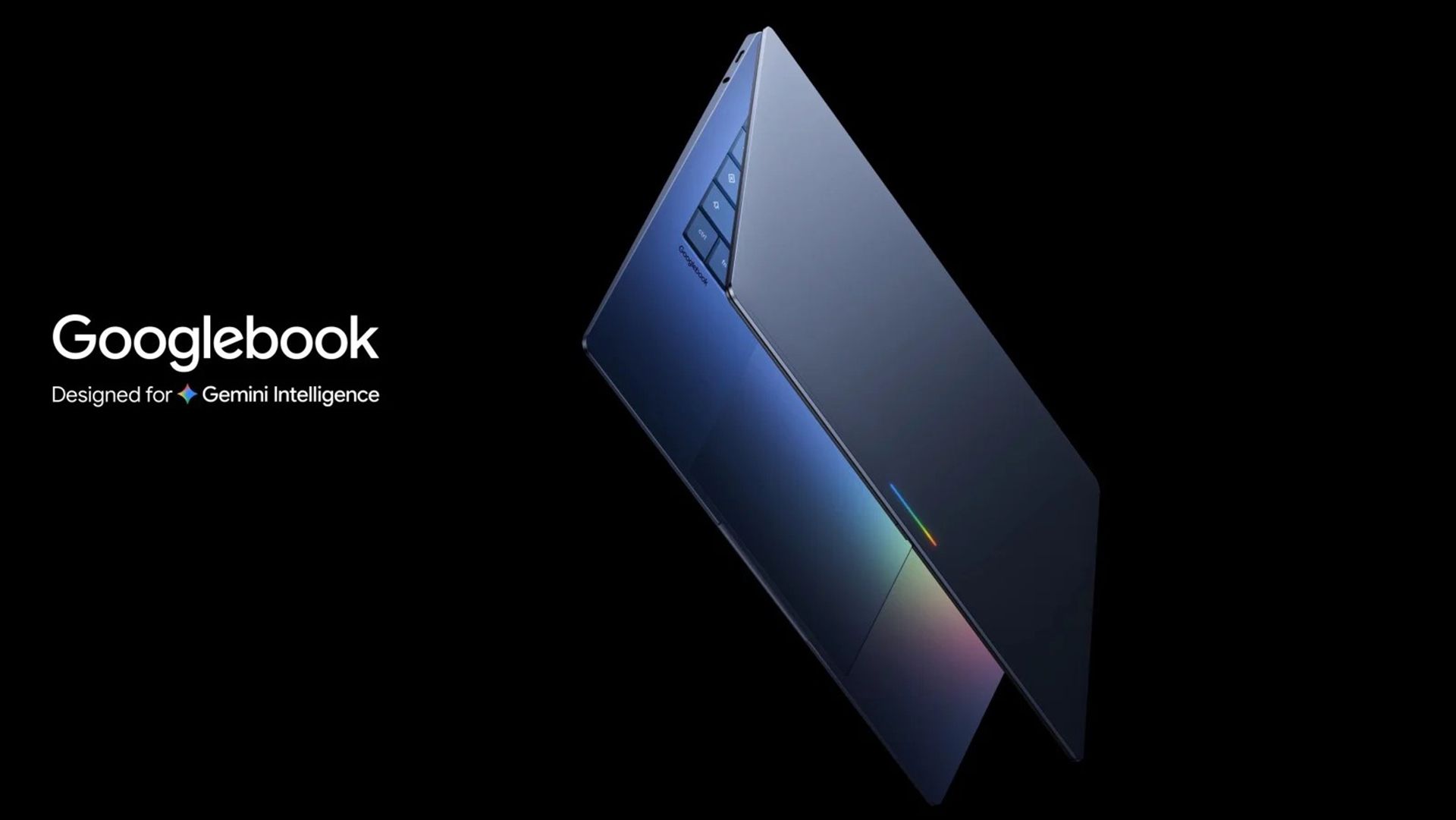
Executive Summary & Market Positioning
The modern Chromebook ecosystem sits at a fascinating intersection of lightweight web-first utility and heavy-duty hybrid application hosting. As Google's operating system continues to expand its runtime capabilities through native Android app support and Linux containerization, the underlying silicon takes center stage. Historically, Intel carved out a dominant space in the educational and enterprise laptop tiers by offering robust x86-64 performance, excellent browser throughput, and seamless legacy peripheral compatibility. However, the paradigm of the mobile-first application ecosystem introduces distinct architectural friction when transplanted onto desktop-grade instruction sets.
Recent empirical observations surrounding Intel-powered Chromebooks—colloquially referred to as Googlebooks—reveal a persistent Achilles' heel: native execution degradation when running select Android applications that lack proper x86-64 binary compilation. While Intel's hardware handles heavy web browsing and progressive web apps with aplomb, the translation layer required for ARM-native mobile binaries exposes significant latency and stability overhead. Conversely, Qualcomm’s ARM-based Snapdragon compute platforms operate natively within the instruction set architecture (ISA) native to the vast majority of mobile applications, sidestepping the translation penalty altogether. This dynamic forces enterprise buyers, educators, and consumers to weigh traditional x86 computational muscle against cross-architecture mobile application fluidity.
Core Architectural & Technological Innovations
At the silicon level, the divergence between Intel’s x86-64 architecture and Qualcomm’s ARM-based system-on-chip (SoC) designs dictates how Android binaries are processed. Intel processors rely on Complex Instruction Set Computer (CISC) architecture, boasting deep out-of-order execution pipelines, massive cache hierarchies, and advanced vector extension sets. When an Android application compiled purely for ARM (AArch64) is launched on an Intel Chromebook, the system cannot execute the bytecode natively. Instead, it must rely on translation libraries—primarily Houdini or native bridge solutions—to transcode ARM instructions into x86 equivalents on the fly.
This translation process introduces noticeable overhead. Instruction decoding, register mapping, and dynamic binary translation consume precious CPU cycles before execution even begins, leading to micro-stutters, delayed touch-input responsiveness, and occasional application crashes. Qualcomm’s architecture, by contrast, executes AArch64 binaries natively. By aligning the application's target ISA directly with the host hardware, Qualcomm chips eliminate translation penalties, resulting in predictable frame rates, lower thermal output during heavy app multitasking, and a more cohesive user experience when navigating touch-first mobile interfaces.
Empirical Specifications & Benchmark Matrix
| Feature / Metric | Intel Core/Pentium Googlebook Baseline | Qualcomm Snapdragon Compute Baseline | Industry Impact & Significance |
|---|---|---|---|
| Primary ISA | x86-64 (CISC) | ARM64 / AArch64 (RISC) | Determines native execution vs translation overhead. |
| Android App Translation | Required for non-x86 APKs (via binary translation) | Native execution for majority of mobile apps | Directly impacts touch responsiveness and app launch times. |
| Single-Core CPU Performance | High (Superior raw x86 throughput) | Moderate-High (Optimized for power-to-performance) | Intel wins heavy web tasks; Qualcomm wins native mobile tasks. |
| Thermal Design Power (TDP) | 12W - 28W (Active cooling often required) | 7W - 15W (Fanless passive designs common) | Qualcomm enables thinner, silent chassis designs. |
| Battery Longevity (Mixed Use) | 8 – 10 Hours | 12 – 16 Hours | ARM efficiency scales better under continuous mobile workloads. |
Thermal, Efficiency & Real-World Ergonomics
Thermal dissipation and power delivery remain defining characteristics of the user experience in the ultra-portable laptop segment. Intel’s x86 processors, even within tailored low-power envelopes, routinely push higher peak wattage during burst tasks. This often necessitates active cooling solutions—small fans and exhaust vents—which can introduce audible noise during extended periods of heavy compilation or multitasking. Furthermore, the constant background overhead of translating unoptimized Android instructions keeps CPU utilization elevated, burning through battery reserves faster than expected during mixed productivity sessions.
Qualcomm platforms approach thermal dynamics from a fundamentally different engineering philosophy rooted in mobile design principles. Utilizing heterogeneous core clusters (combining high-performance cores with extreme-efficiency cores), Snapdragon SoCs maintain remarkably low thermal footprints, frequently enabling entirely fanless, silent chassis designs. This efficiency translates directly into extended field longevity, routinely pushing battery life well past the 12-hour mark under realistic mixed-use conditions. For mobile-first users relying heavily on Android productivity suites, the ergonomic benefit of a cool-to-the-touch, silent device cannot be overstated.
The Definitive Verdict
Choosing between an Intel-powered Googlebook and a Qualcomm-based alternative ultimately hinges on your specific workflow priorities. If your daily routine consists predominantly of heavy browser-based tasks, complex web applications, and local Linux development environments, Intel’s superior raw x86-64 single-core performance and deep enterprise ecosystem support make it a formidable productivity tool. However, if your ideal Chromebook experience heavily integrates Android applications, touch-first mobile games, and continuous media consumption where fluid app transitions are paramount, Qualcomm stands out as the definitive winner. Until developers universally compile x86-64 native APKs—an unlikely industry shift given the dominance of ARM in mobile—Qualcomm's native execution model delivers a smoother, more reliable mobile experience.