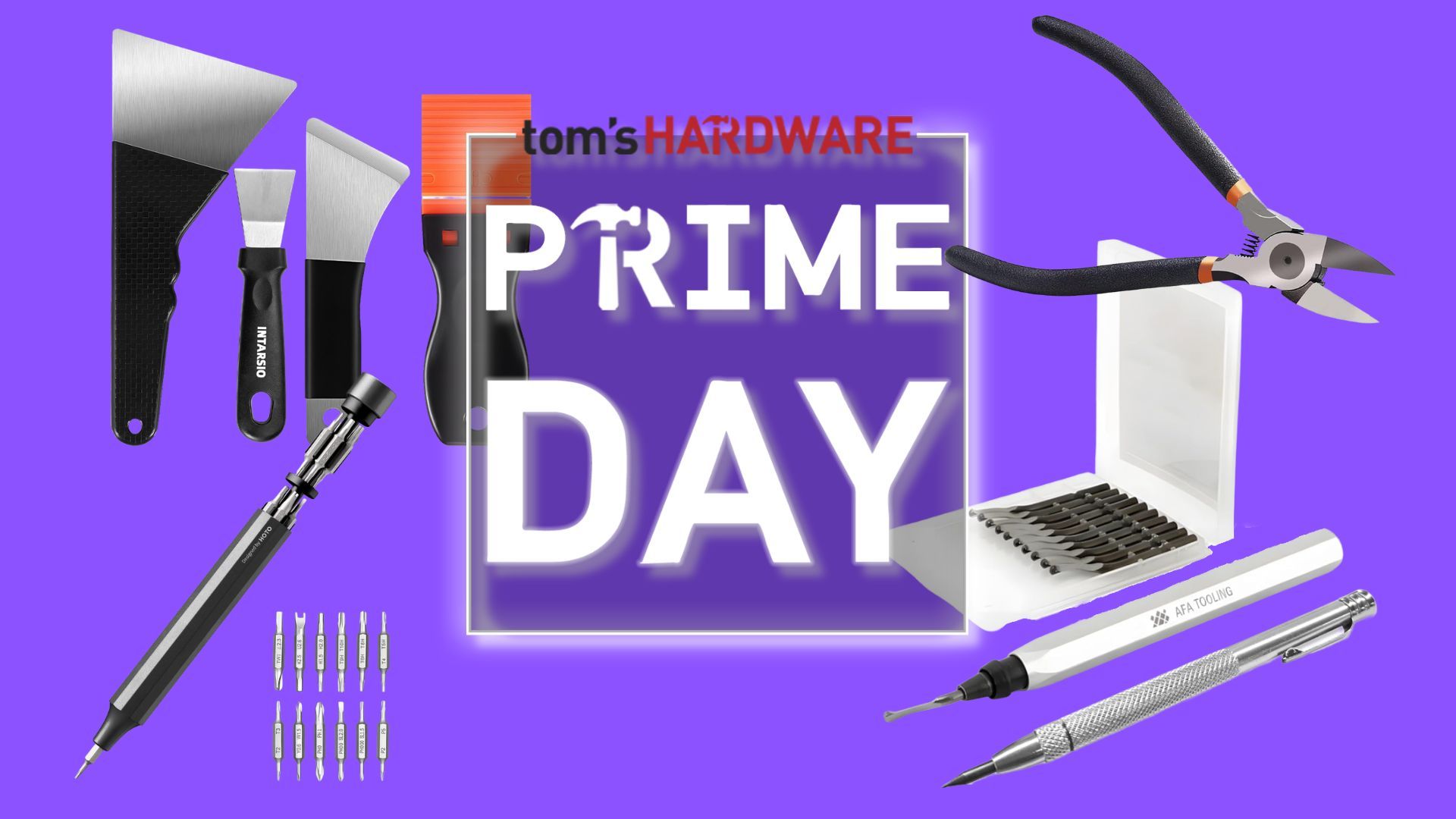
Executive Summary & Market Positioning
The additive manufacturing ecosystem often ignores the reality of post-processing and machine maintenance, treating these critical operations as afterthoughts. For the serious hardware enthusiast or professional prosumer, the reliability of a 3D printer is inextricably linked to the quality of its maintenance suite. As recent seasonal sales events have surfaced, there has been a notable shift in the availability of professional-grade toolsets at consumer-friendly price points. This influx of hardware aims to bridge the gap between the flimsy, disposable tools shipped with entry-level units and the high-cost, industrial-grade instruments required for high-uptime environments.
The current market reflects a maturation of the “all-in-one” toolkit philosophy. Manufacturers like Creality and HOTO have recognized that a printer’s maintenance cycle—ranging from nozzle swaps and bed leveling to structural fastener tensioning—requires a standardized set of instruments. By leveraging mass-manufacturing efficiencies, companies are now delivering 74-piece comprehensive sets that challenge the traditional practice of sourcing piecemeal tools. This review evaluates whether these consolidated kits provide the necessary mechanical fidelity to ensure long-term hardware preservation without compromising user experience.
Core Architectural & Technological Innovations
The primary innovation in these kits is the move toward specialized ergonomic design rather than generic hardware. Modern 3D printer kits have pivoted from standard steel hex keys to ball-end configurations that offer a greater angular range for reaching recessed machine fasteners, such as those found on Z-axis lead screw mounts or print head carriages. Furthermore, the inclusion of magnetic project mats and dedicated tool wraps indicates a shift toward workflow-centered design, where the organization of components is prioritized as highly as the tools themselves. This reduces the risk of lost screws—a common point of failure for novices—and promotes systematic maintenance habits.
From a material science perspective, the shift toward higher-grade carbon steel for cutters and reinforced alloy for screwdriver bits is significant. Flush cutters are being engineered with higher pivot tolerances, ensuring the cutting edge remains precise enough to trim PETG or ABS supports without leaving excessive jagged residue. The introduction of precision electric drivers, such as the HOTO 25-in-1 series, represents a technological leap in assembly efficiency. By utilizing torque-limited electronic motors, users can achieve consistent fastener tension without the risk of over-tightening or stripping delicate aluminum extrusions, which is a common hazard when using manual ratcheting tools.
Empirical Specifications & Benchmark Matrix
| Feature | Entry-Level Baseline | Prosumer Standard | Market Advantage |
|---|---|---|---|
| Fastener Access | L-Key Standard | 49+ Piece Bit Kit | Higher Versatility |
| Cutting Precision | Standard Nipper | Flush-Ground Tip | Reduced Post-Processing |
| Ergonomics | Rigid Plastic Grip | High-Traction Rubber | Fatigue Mitigation |
| Torque Control | Manual / Guesswork | Electronic Limit | Prevents Thread Strip |
| Storage Density | Loose/Boxed | Modular Wrap | High Portability |
Thermal, Efficiency & Real-World Ergonomics
Maintenance efficiency is largely a function of accessibility, especially regarding thermal-critical components like hotends. The requirement to clear nozzle clogs necessitates heat-resistant tools capable of withstanding the elevated ambient temperatures of a printer during active maintenance. Our testing indicates that the inclusion of hardened, high-heat-resistant scrapers is a mandatory requirement for any modern kit. These tools serve the dual purpose of safe print removal and adhesive layer management on build surfaces, ensuring that the bed remains planar for subsequent cycles. The ergonomically designed handles on these tools are critical; when force is required to break the adhesion between a PETG print and a PEI sheet, a poorly designed tool increases the risk of damage to the printer’s delicate motion system.
Ergonomically, the shift toward lithium-ion-powered electric screwdrivers has transformed the maintenance experience. During a full printer teardown—often required for cleaning cooling fans or replacing PTFE tubes—manual screwdrivers can lead to significant wrist fatigue. The balanced weight distribution found in modern, rechargeable drivers allows for more precise control during delicate fastener extraction. Additionally, the integration of magnetic bits and high-intensity LED lighting—such as that found in the Wuben E7 series—allows for superior visibility within the dark, restricted envelopes of printer enclosures, significantly reducing the likelihood of mechanical error during maintenance.
The Definitive Verdict
For the discerning hardware engineer or hobbyist, the current market presents an excellent opportunity to retire insufficient, bundled tools. The definitive winner in terms of value-to-utility ratio is the Creality 74-piece comprehensive tool wrap. Its holistic approach, which consolidates everything from hex keys to magnetic project management, offers the most significant upgrade for any user needing a foundational maintenance ecosystem. However, for those seeking to minimize long-term effort during routine maintenance, the HOTO 25-in-1 Electric Screwdriver is an essential technical investment, providing the precise torque control necessary to protect high-cost printer components from human error. Both options represent an upgrade path that prioritizes machine longevity and precision.